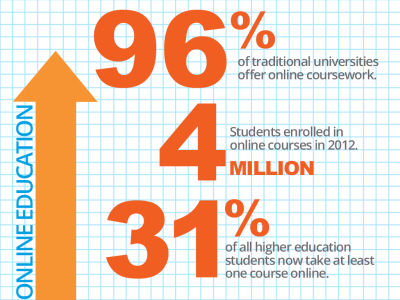
“Online learning will rapidly become one of the most cost-effective ways to educate the world’s expanding workforce.”
– Mark Bonner, PricewaterhouseCoopers (1999)
ONLINE LEARNING is the way forward to the already GLOBALLY CONNECTED NEW AGE STUDENT
In a technologically advanced, highly networked culture, the need for online learning is more popular and even more progressive. The terms “online learning” and “e-learning” refer to web-based teaching and learning methods using new computer technology. There is therefore a wide variety of learning methods on offer that range from self-study courses to blended learning courses.

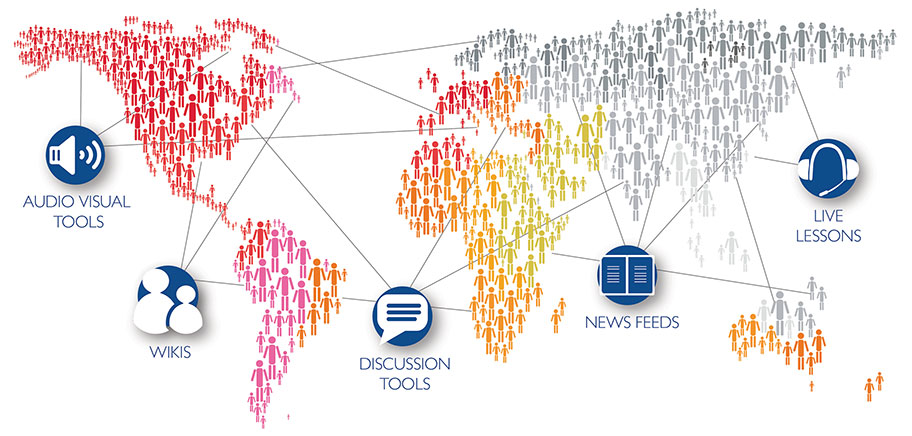
ONLINE LEARNING is fast becoming the MainStream functionality for the 21st Century, New Aged Student / Employee. This robust, factual and easily adapted concept is embraced by the following countries:
USA \ INDIA \ CHINA \ SOUTH KOREA \ MALAYSIA \ UNITED KINGDOM \ AUSTRALIA \ SOUTH AFRICA
Statiscally, the demand for a higher, immediate and instant form of education is increasing. To be on par with the world’s trend takes overall precedence with the NEW AGED STUDENT.
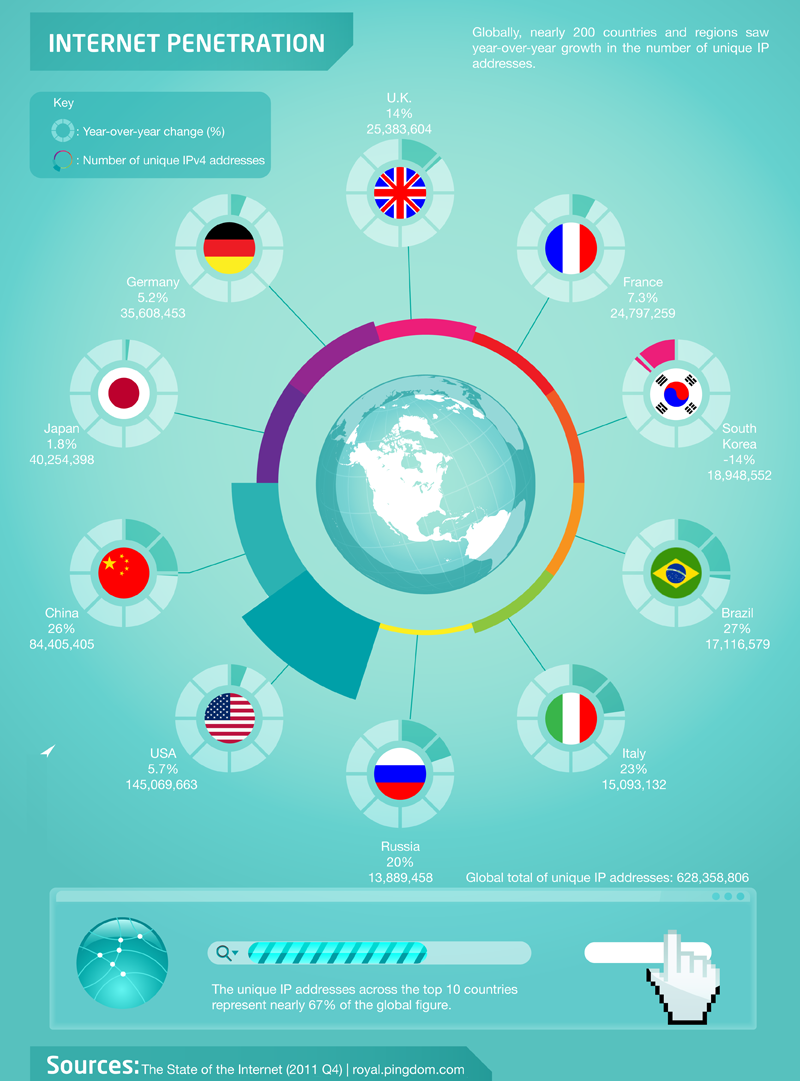
Year on year growth shows a positive incline off the curve graph which supports the facts. The more ONLINE the world is revolving, the common deciding factor remains : NEW AGED LEARNING will be ONLINE BASED. Traditional methods of learning are fading away.
According to a 2009 study from the Department of Education: “Students who took all or part of their class online performed better, on average, than those taking the same course through traditional face-to-face instruction.” Students who mix online learning with traditional coursework (i.e. blended learning) do even better (Internet Time Group Report).